
Subscribe and receive email notifications of new blog posts.
 RSS Feed
- 2026 | 27 Posts
- 2025 | 52 Posts
- 2024 | 50 Posts
- 2023 | 55 Posts
- 2022 | 83 Posts
- 2021 | 70 Posts
- 2020 | 43 Posts
18
Pets and Plants - What's Not Safe?
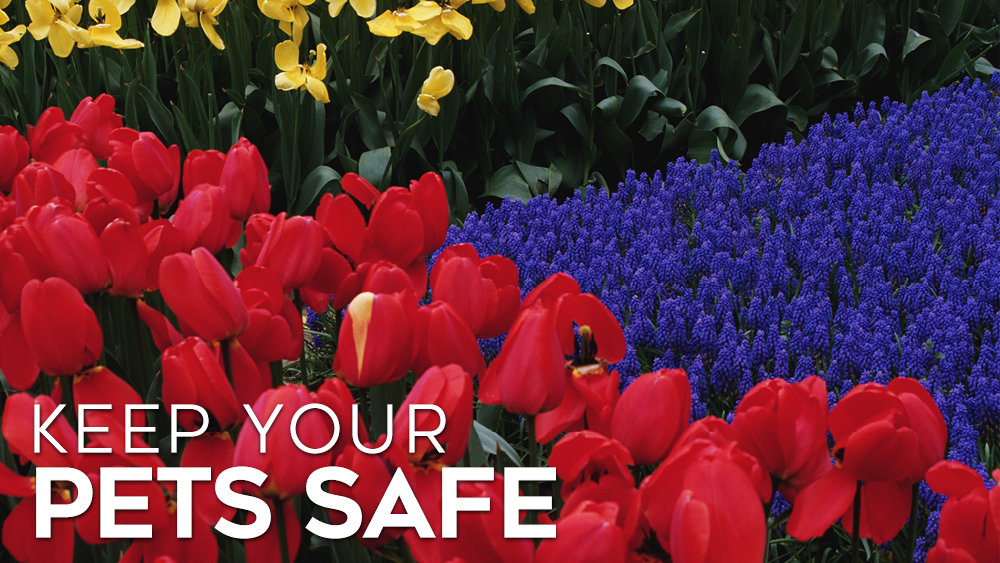
Now that spring has arrived, many of us are welcoming tulips, daffodils, and other perennials to our gardens. After a gray and gloomy winter, the bright blooms are a glorious sight!
Local stores and greenhouses are overflowing with colorful flowers, creating the yearly hustle to get pots and beds planted to adorn our homes. It's hard to believe that these beautiful posies could cause our pets harm, but, sadly, many can cause intestinal upset, and some can lead to death.
When making your shopping list, here are some spring plants that can cause serious harm to your four-legged family member. If you have any of these perennials/bulbs planted where your fur-kids can get to them, you might consider moving them to a different location.
All Lilies
Both blooms and leaves can result in kidney failure in cats. Many varieties, including peace lilies, calla lilies, and autumn crocus are dangerous to dogs, as well.
Daffodils
These beauties (including paperwhites and narcissus) contain lycorine that can be poisonous to pets. The toxins are primarily in the bulbs but leaves and blooms can also cause cardiac arrhythmias and convulsions.
Geraniums
Common in hanging baskets and pots, geraniums can cause skin rashes, low blood pressure, lethargy, and loss of appetite.
Tulips
Like daffodils, most of the toxins in tulips reside in the bulbs, however, the rest of the plant can also cause vomiting, diarrhea, and excessive drooling.
Begonias
Popular for their ease of growth, begonias can thrive in many conditions, but can cause serious burning and irritation of the mouth, tongue, and lips.
Azaleas
Ingesting any part of this plant can result in vomiting, seizures, and cardiac arrest.
For printable lists of toxic and non-toxic plants, visit ASPCA.org.

|
 |
